
Fatigue and More: My Side Effects From CAR T-Cell Therapy

When I read about the side effects of CAR T-cell therapy, I never thought that I would experience them all – and more. From severe fatigue and confusion, to being unable to stand, this is what I experienced.
Featured Forum
View all responsesPreparing for treatment
My husband and I read everything we could to understand the CAR T-cell process. We also signed up with the Leukemia/Lymphoma Society (now known as Blood Cancer United). This group was invaluable with providing information and assistance.
My T cells were collected without incident on May 30, 2023, and sent away for modification.
One of the requirements for going through CAR T was to have a caregiver 24 hours a day following the cells being reintroduced into my system. We were blessed that our twin boys agreed to split the time and take care of me. We moved into a hotel, learned how to use monitoring equipment, and waited for my CAR T-cells to be infused.
As part of that process, I underwent a 3-day infusion of chemotherapy, starting June 19, 2023. I was sick. My caregiver had to make sure I ate enough protein and drank water during this time.
Side effects after treatment
Intense fatigue
Then came the next step for CAR T. On June 24, 2023, the reprogrammed T cells were infused. It was a basically uneventful process, taking only about 30 minutes. I admit that my memory is hazy around this time, another symptom that remains today.

For the first 2 to 3 weeks after, the main issues were navigating the monitoring equipment and the building fatigue, which I am still fighting to this day. I went into the clinic every day for a checkup. I remember feeling so tired I could hardly pick up my feet. I asked every time if what I was feeling was normal, and they reassured me it was.
Cytokine release syndrome
Then the storm hit. It is known as cytokine release syndrome (CRS). My first symptoms were a fever, chills, low blood pressure, fatigue, and some confusion. I was admitted to the hospital to treat the symptoms of the "storm" with a medication named tocilizumab. I learned that a man who received his cells the same day I did was also in the hospital. That was reassuring to me. I remember feeling calm knowing that.
Once the storm passed, I was released back to the hotel to resume monitoring with daily visits to the clinic. There was a change in caregivers, and the monitoring equipment was stopped.
Physical setbacks and hair loss
I continued to get weaker as the days went on. My appetite was poor. It was all my son could do to get me to eat. He focused on protein and fluids. I was really struggling. I reached a point where I had to be taken into the clinic by wheelchair.
And then, shockingly, my hair started coming out when I ran a brush through it! I was so shocked by this. As a woman, this was very traumatic for me. My son could only hug me and watch it happen.
At this time, my side effects from an earlier treatment — radiation — also began. (I had previously undergone radiation due to a plasmacytoma found on my tailbone). I experienced diarrhea and bladder infections.
An unexpected emergency room detour
Then came the day when I could not stand. My son tried to help me out of bed. My breathing was labored. The only way I was going anywhere was by ambulance. Now the story becomes interesting. In this city, when you call an ambulance, by rule, they can only transport you to the nearest hospital, and it wasn’t mine.
It’s not hard to picture what I went through with a team that didn’t specialize in multiple myeloma or the CAR T-cell process. I basically had to start over explaining what I had just been through. Even though the facility was a sister hospital to mine, my oncologist was not allowed to practice there.
Finding my way out of the fog
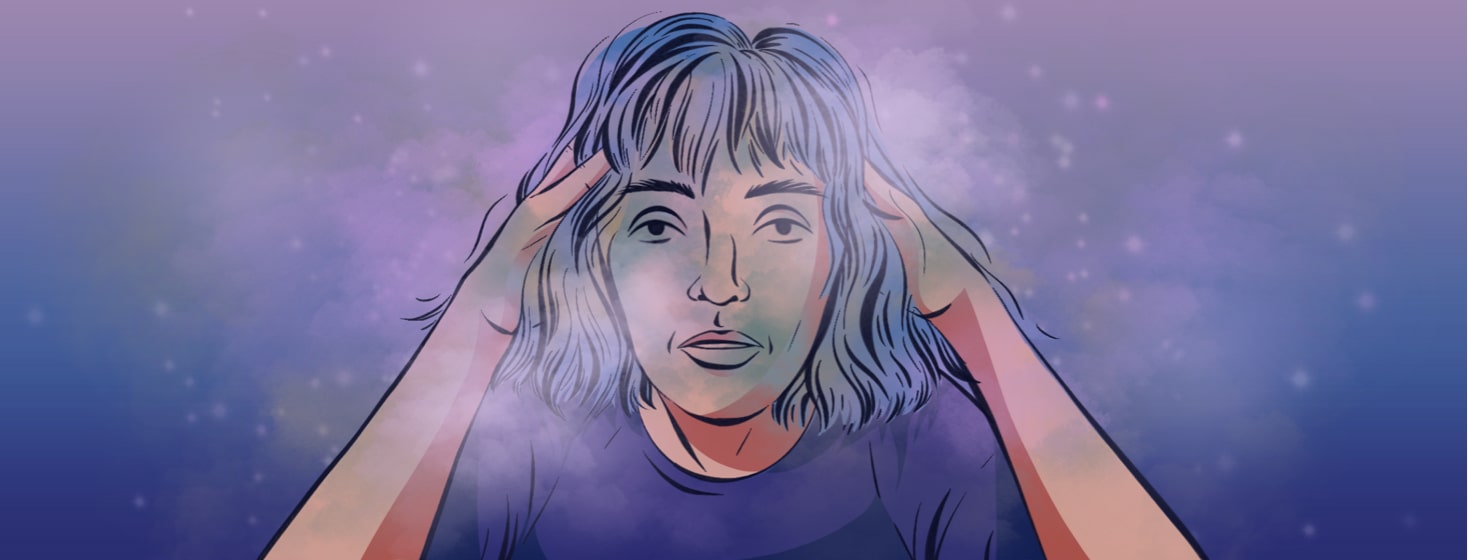
By now, I was sick. I could not walk. I was having memory issues. When my husband walked into the room, I didn’t even react. I just stared at the wall. He was quite alarmed at my condition.
With his patience, he began pulling me out of the fog. He brushed what was left of my hair, cutting some of the length off, so it wasn’t so traumatic to brush. I had bald patches on my scalp. He turned on the TV to my favorite cooking shows. He pulled me into conversation. Physical therapy began working with me. There was no way for me to go home at this point.
Rehab and the road to remission
I was transferred to a therapy center. I stayed there for about 2 weeks. My only goal was to walk across the room. And just like that, I did it. The therapists were exceptional. In a few days, I could go home.
Now, my experience was a bit traumatic. I am still recovering today, at least 2½ years later. But I am in remission. It worked after all of that. And I am so grateful.
Join the conversation