


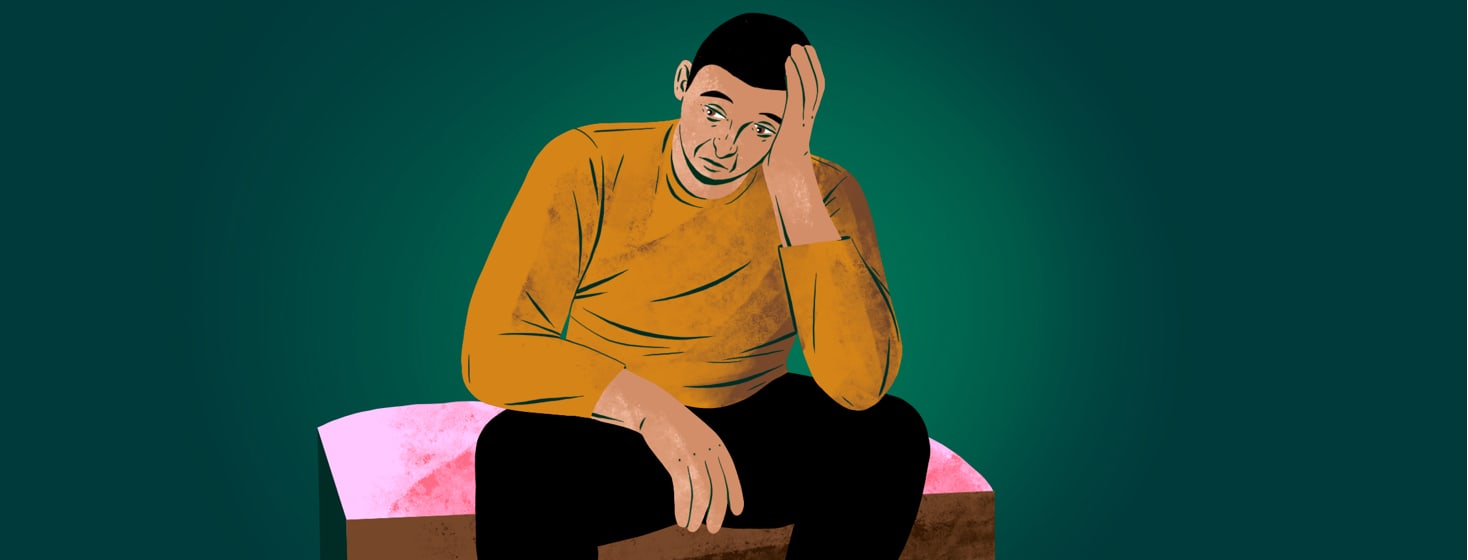
Unseen Struggles: the Emotional Reality of Blood Cancer

People navigating life after a diagnosis of blood cancer, such as Diffuse Large B-Cell Lymphoma (DLBCL), T-cell lymphoma, and more, can face a challenging physical and emotional toll. This can create a "new normal" that is frequently difficult for others to grasp.
Shifts in identity and cognitive function
One of the most frustrating aspects can be the feeling of no longer being the person you were before cancer. This shift may includes dealing with profound symptoms like debilitating fatigue and nausea, but also cognitive changes that are less visible. For one individual who underwent rigorous treatment for DLBCL, the cognitive shift was stark: she sometimes found it difficult to string a sentence together verbally. It deeply affected her conversations, ability to work, and life.
Struggles like this can lead to immense frustration, especially when memories of past abilities, like being a gourmet cook or maintaining an immaculate home, contrast sharply with the reality of living with an unpredictability that has "its own agenda," as one community member put it. That can be mean good days followed by miserable ones.

Some individuals also admit to emotionally beating themselves up for having cancers they did not choose and cannot control.
The pain of being "ghosted" and misunderstood
The emotional toll is often compounded by isolation, described by one forum member as "being ghosted." Ghosting occurs when friends, family, or others create distance or disappear after your diagnosis, treatment, or remission.
Even if a person is not ghosted, they can experience an emotional toll with cancer.
One individual who was dealing with T-cell lymphoma recalled feeling hurt when a sister, who had promised a dinner, let the food "freezer burn" instead of following through. The individual wrote that they felt "tossed aside in a great time of need for compassion and understanding."
As some individuals mentioned, it can also be painful when co-workers, who once felt like family, neglect to extend invitations to gatherings. Simply being included is crucial for someone navigating a new and isolating reality. As one person mentioned, not being included can lead to "suddenly feeling isolated" while "trying to navigate a new normal, a new ME."
Furthermore, this isolation can get worse when relatives or loved ones do not try to recognize what a person with blood cancer is going through.
Finding strength in self-forgiveness and community
Despite these struggles, community members have found ways to move forward. That can mean prioritizing self-compassion. For instance, one person noted, "I'm trying to accept and cut myself some slack for going from a once vibrant woman to trying to find the strength to get up and shower."
The painful experience of being isolated can ultimately teach survivors who they can rely on, granting them the freedom to remove energy-draining or unhelpful relationships. Some people also said they find strength in the realization that they did not choose the cancer; it chose them.
Many individuals also find crucial support and connectivity within online groups, viewing them as a network of friends they have never met but who provide steadfast support.
Join the conversation